

Login
Pick the platform you wish to access.
We recommend bookmarking your preferred platform for future access.
Pick the platform you wish to access.
We recommend bookmarking your preferred platform for future access.
Appendix G is the performance route for rating programs, LEED, beyond-code targets and stretch goals. Compare your building against a computed baseline and report a Performance Cost Index that says how far past compliance you are.

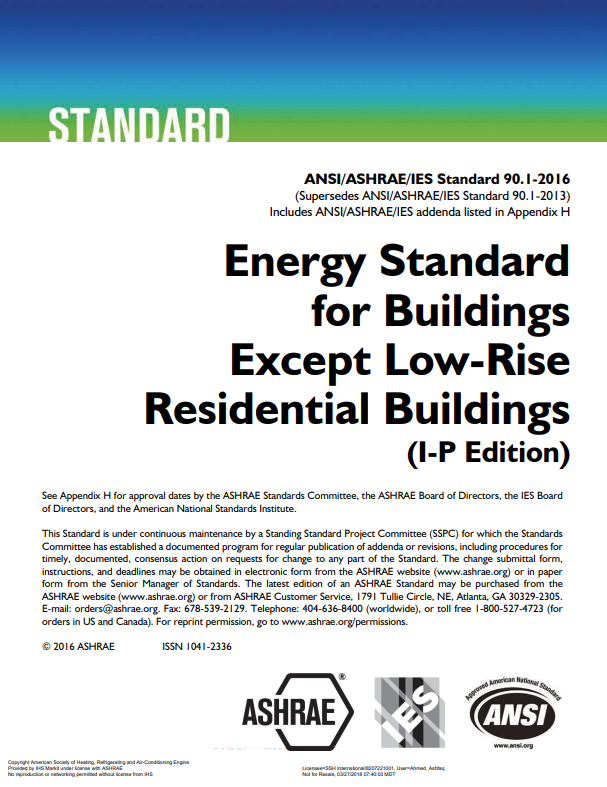
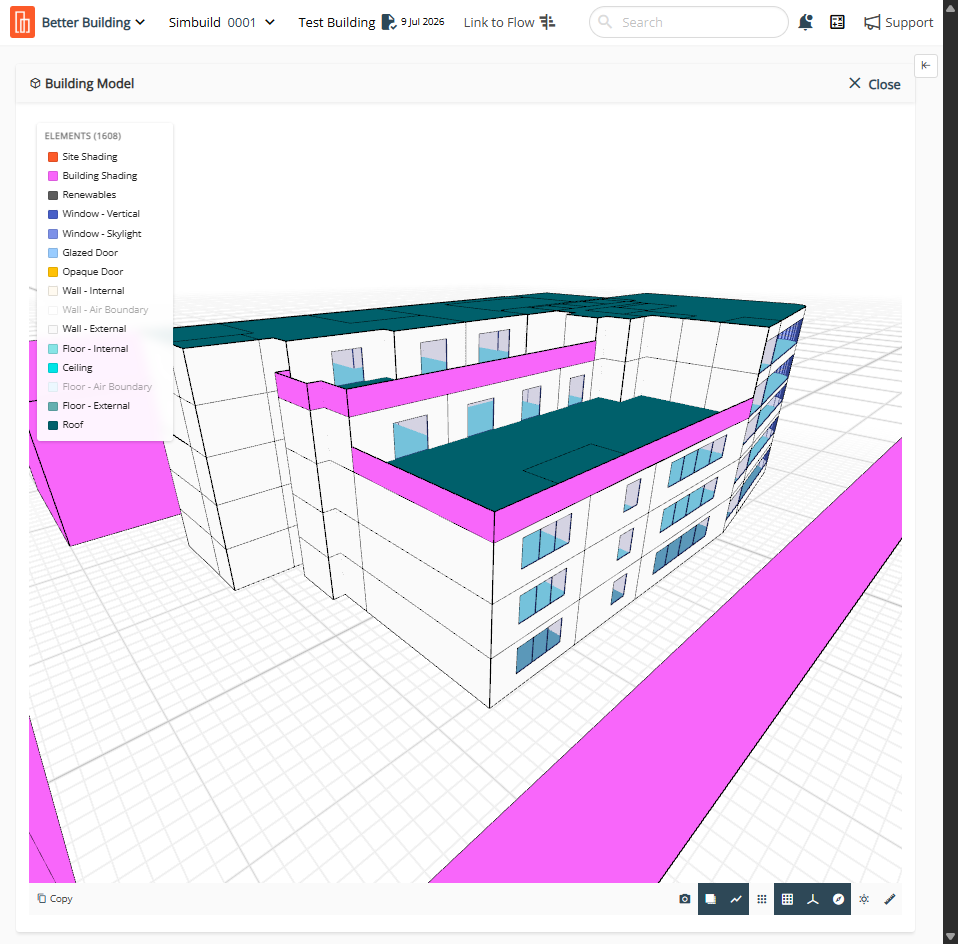
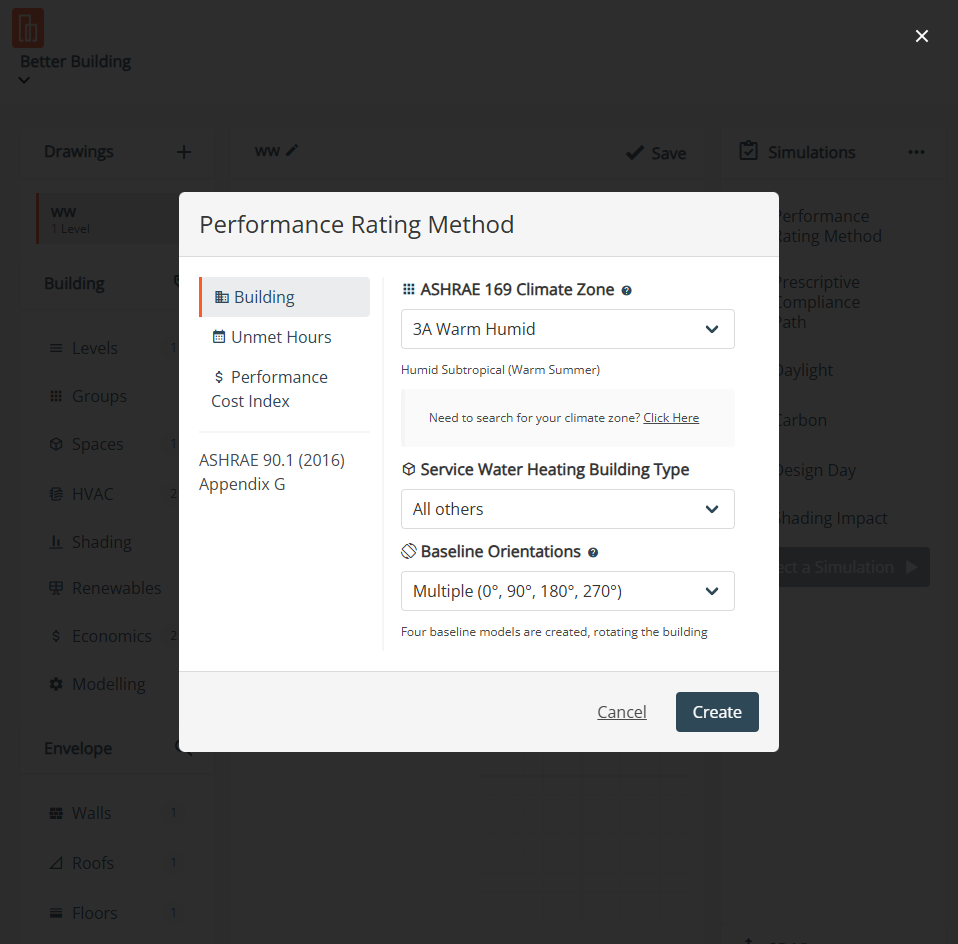
The Appendix G baseline is generated from your proposed model using Table G3.1 rules. Orientation is rotated in four cardinal directions and averaged, envelope drops back to prescriptive minimums, and HVAC is set by system type table.
Both baseline and proposed run on the same climate zone weather data. TMY3 for the site or an ASHRAE-provided equivalent, applied identically.
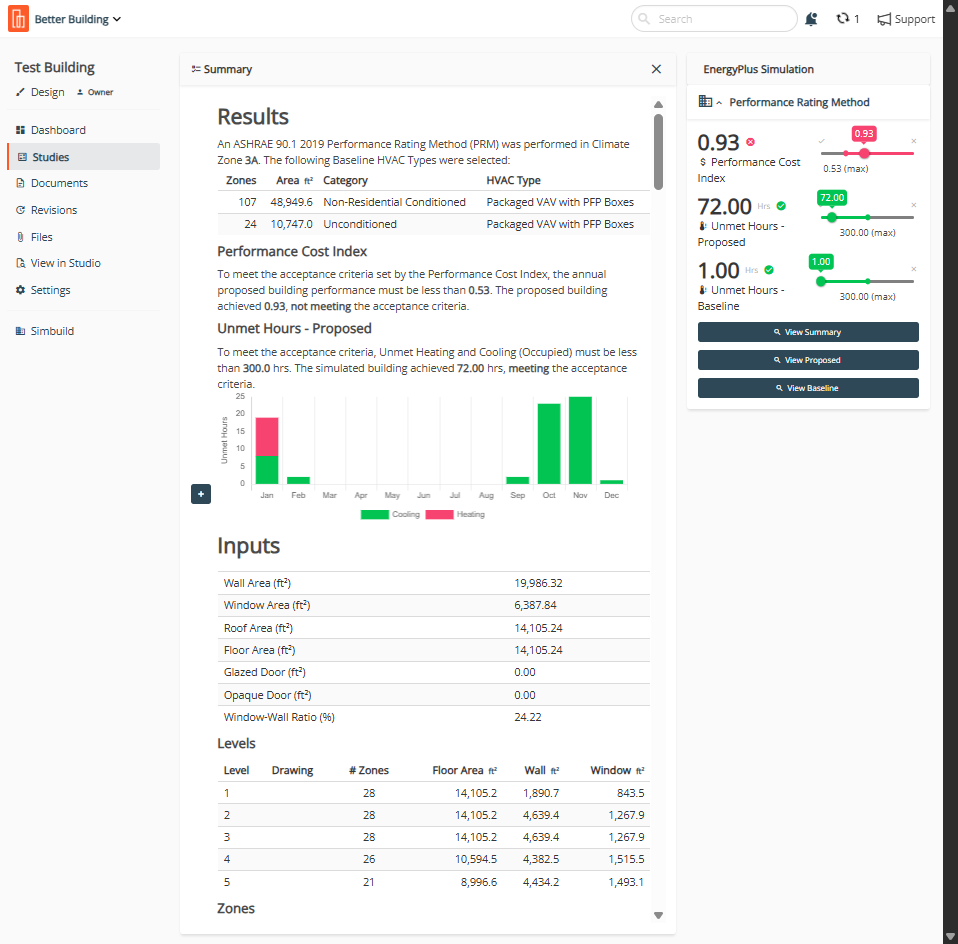
PCI is proposed cost divided by baseline cost. A PCI below 1.0 means better than baseline. LEED, WELL and many jurisdictions set target PCI thresholds well below that.
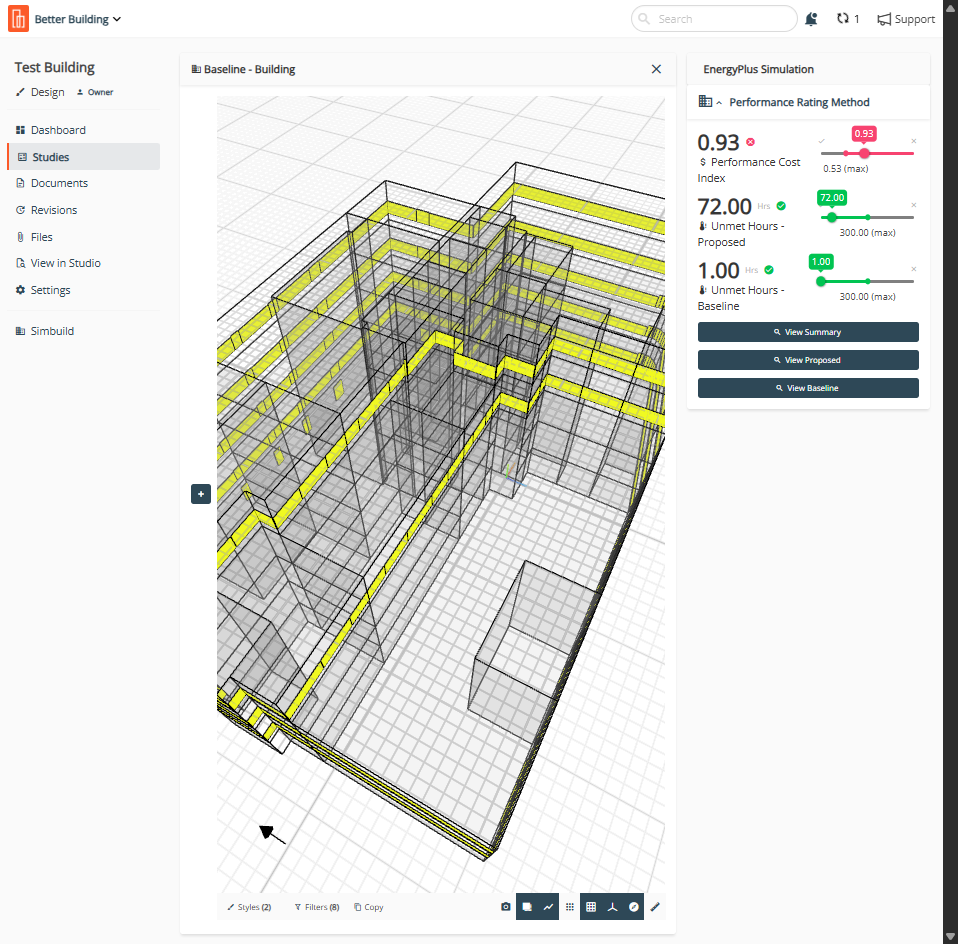
Proposed glazing is modelled exactly as specified. Baseline is capped at 40 percent WWR regardless of what you actually built, which is where large facades pick up their margin.
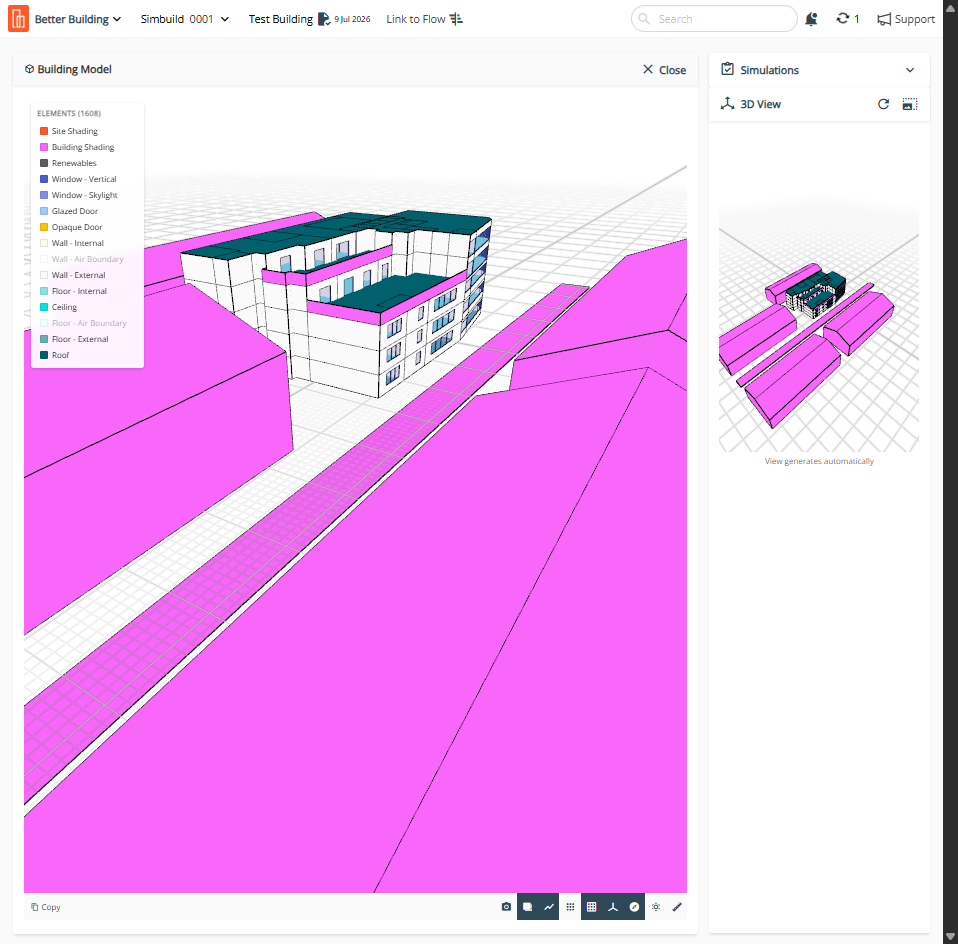
Real shading and site context in the proposed model. Baseline has no external shading, no site context, and cardinal-averaged orientation.
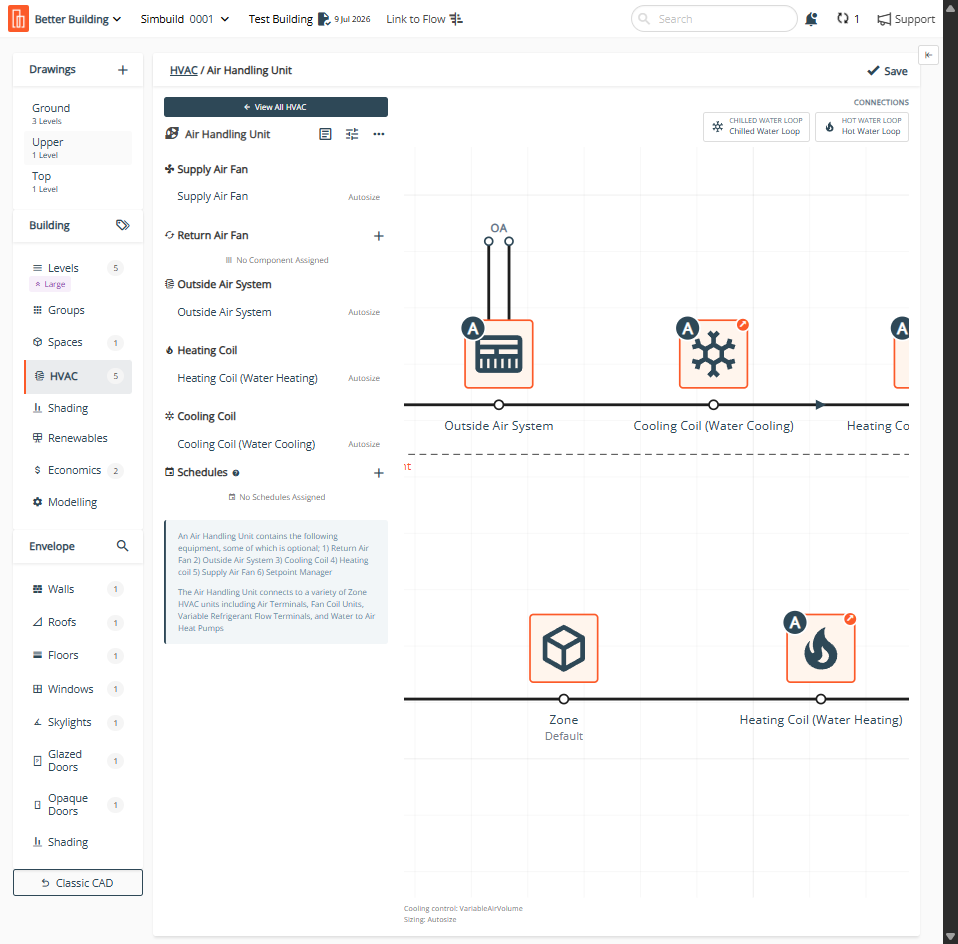
Table G3.1.1-3 sets the baseline HVAC system by building type and area. Get it wrong and every downstream comparison is against the wrong reference, so this table gets checked twice.
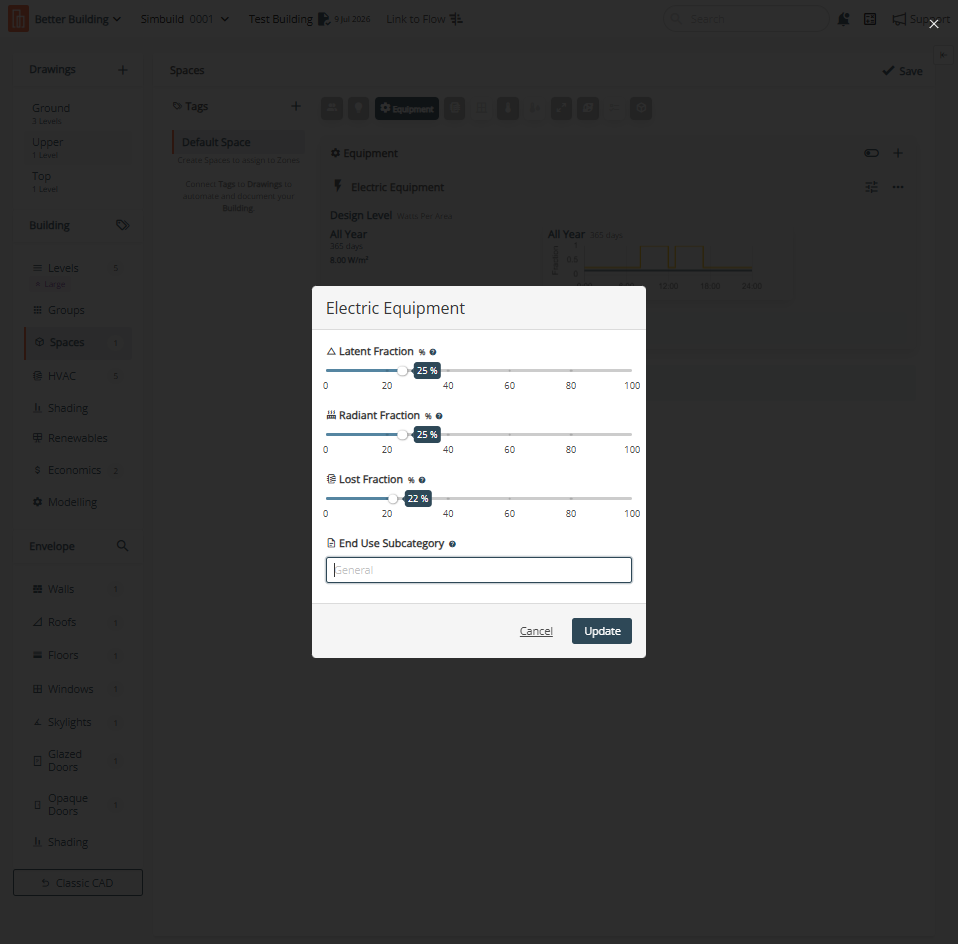
Plug loads, process energy and receptacle loads are identical between baseline and proposed. They still show up in the cost totals, which is why total-building PCI is not the same as regulated-load PCI.
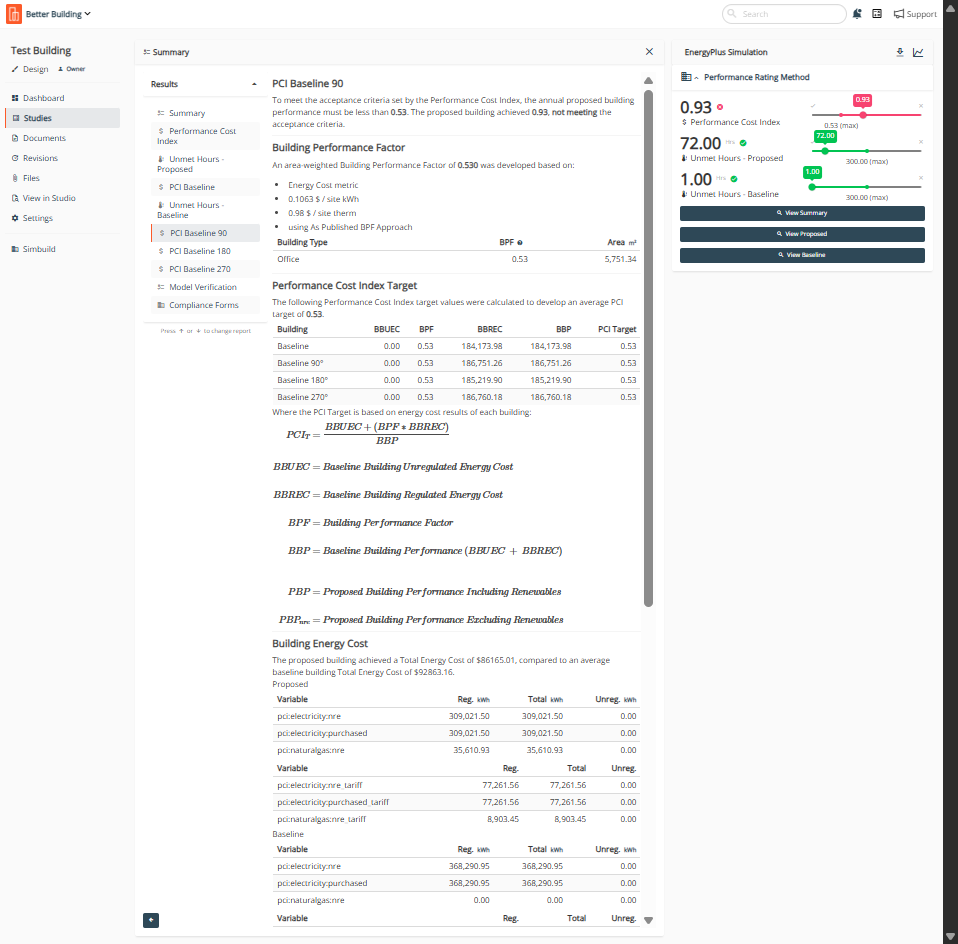
Baseline is simulated in all four cardinal orientations and averaged. Proposed is run in its actual orientation once. That is four extra simulations you cannot skip.
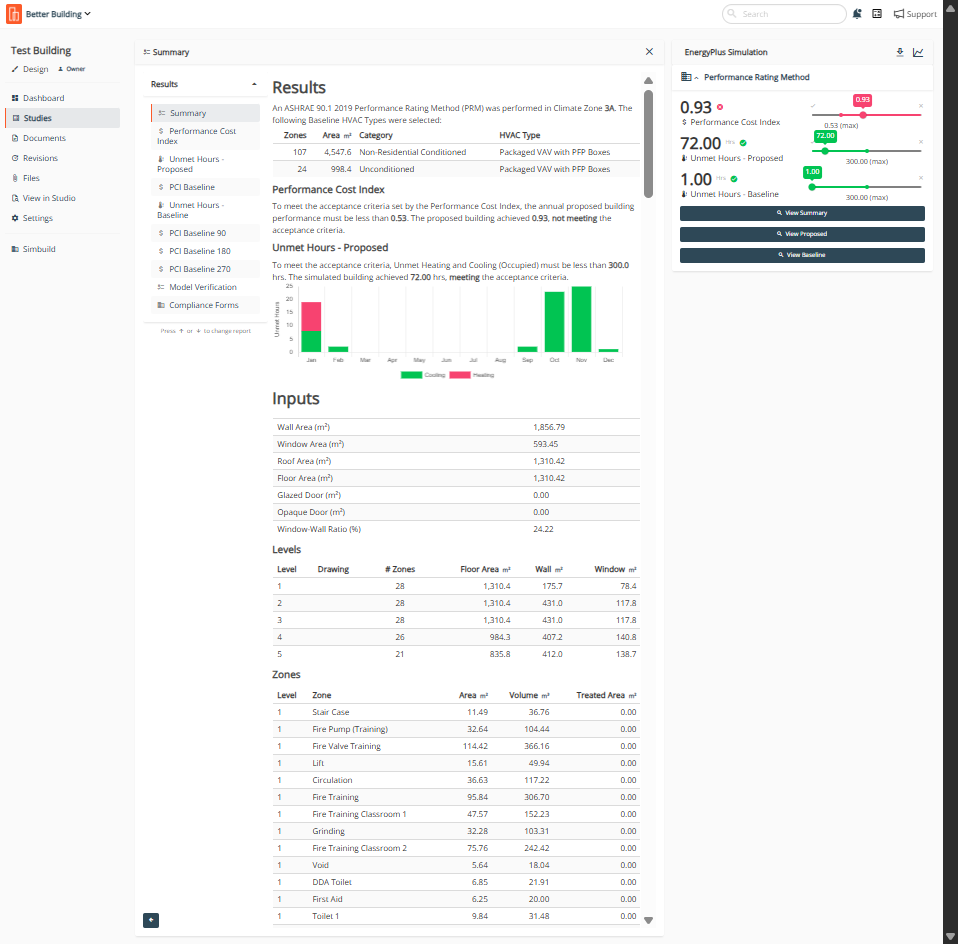
Full end-use cost tables for both models, PCI calculation, baseline system justification, and documentation of every G3.1 rule applied. LEED and jurisdiction reviewers will want the lot.
Every new user has the opportunity to kick off with a quick 20-minute demo.
You can now double your trial after a free 20-minute demo with one of our team.
Grab a trial